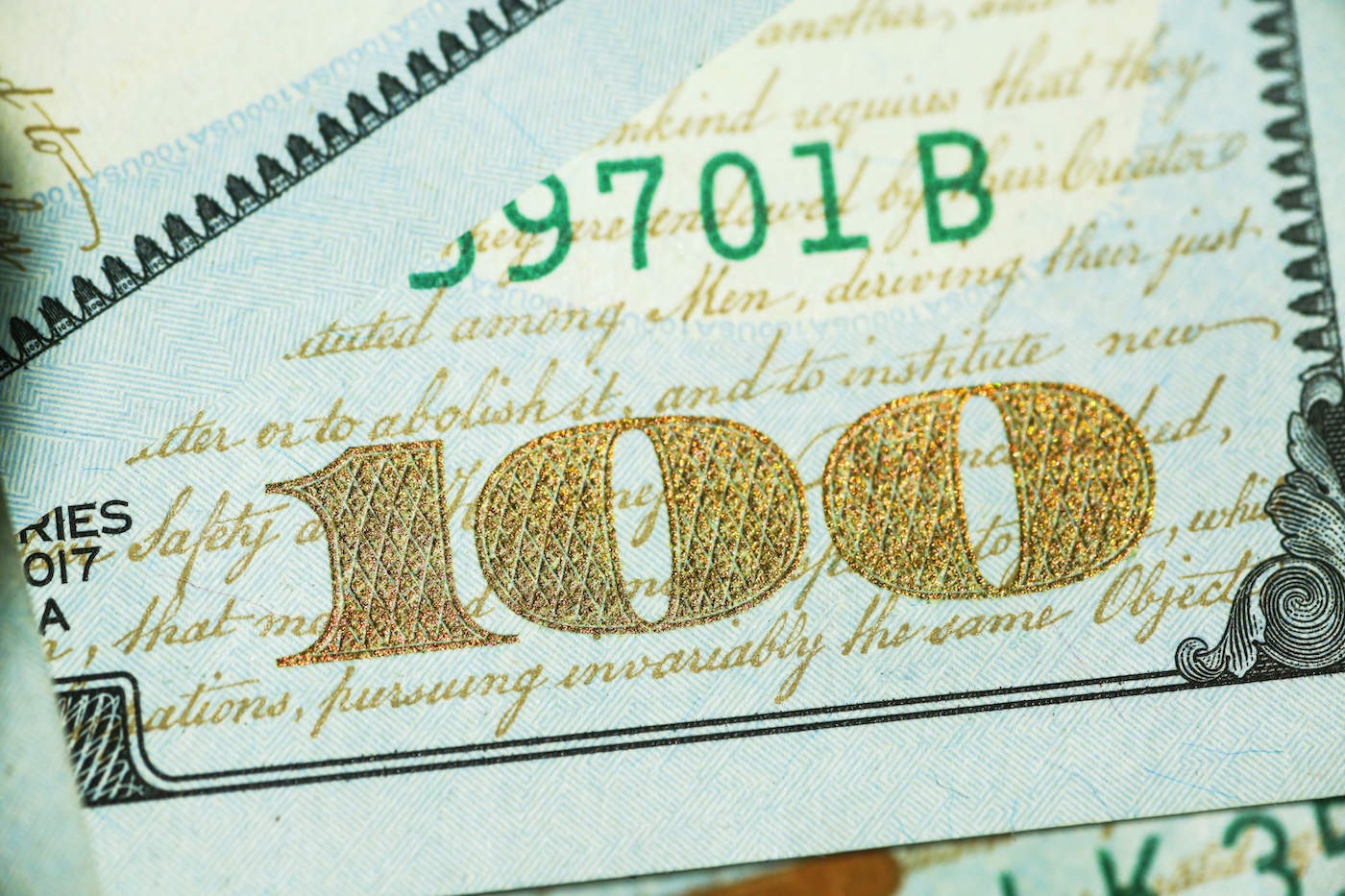

The Maldives departure tax is USD 100 for a foreign passenger flying economy — not the USD 50 usually quoted. Two separate charges at identical rates are collected together, and almost every summary reports only one of them.
What we wrote, and what actually happened
In October 2024 we covered three tax rises while they were still proposals. All three are now law, and two of them started on dates the proposals did not predict:
- TGST 16% to 17% — in force on 1 July 2025, not January. The law passed in November 2024 set July from the outset.
- Green tax doubled — in force on 1 January 2025, as proposed.
- Airport departure charges — in force on 1 December 2024, applied according to the date the ticket was issued rather than the date of travel.
How much is the Maldives departure tax now?
The figures in circulation — economy USD 30 to 50, business 60 to 120, first 90 to 240, private jet 120 to 480 — are the Departure Tax alone. The same law set the Airport Development Fee at identical rates, and both are charged. For a foreign passenger that means:
- Economy — 50 + 50 = USD 100
- Business — 120 + 120 = USD 240
- First — 240 + 240 = USD 480
- Private jet — 480 + 480 = USD 960
Maldivian citizens pay USD 12 in economy and are exempt from the development fee in economy. Transit passengers, diplomats and children under two are exempt from both. The law firm Nasheed & Co set out both charges side by side when they took effect; Hotelier Maldives covered the package as a whole.
If you work in the Maldives on a foreign passport, this is a cost you meet every time you fly home on leave: the exemptions are for citizens, not for residents. It is worth knowing whether flights and airport charges are covered before comparing two offers on salary alone.
Green tax and TGST: who pays what
Green tax is charged per person per night. Resorts, safari vessels and properties with more than 50 rooms went from USD 6 to USD 12; hotels and guesthouses on inhabited islands with up to 50 rooms went from USD 3 to USD 6. Children under two became exempt on the same date. TGST — the goods and services tax charged on tourism services — has been 17% since 1 July 2025 and was unchanged as of mid-2026.
Neither is deducted from your pay: both are charged to the guest and collected by the property. The service charge you may see mentioned in a job offer is a different thing again — a share of a charge added to the guest bill, not a tax.
Did the rises drive tourists away?
Not in the year that followed. 2025 was a record: 2,246,516 arrivals, up 9.8%, with December the strongest single month ever recorded. Green tax receipts for January and February 2026 reached USD 27.31 million, up 63.7% on the same period of 2025, and state revenue rose 12.2% over the first four and a half months of 2026, with airport service charge and departure tax up 28.7%.
Arrivals did turn down in 2026, by 5.7% in the first half. No source attributes that to the tax rises: the reason given consistently is reduced air connectivity through the Dubai and Doha transit hubs. That is a separate story, and we cover it separately.
What it means if you are looking for work here
Three practical points, in order of how often they matter:
- The airport charges are yours to pay on every trip home unless your contract says otherwise. At USD 100 a departure in economy, two trips a year is a real line in a budget.
- Higher guest taxes have not shrunk the industry: the properties are still there, and the record year came after the rises, not before.
- What has changed the hiring picture in 2026 is arrivals and connectivity, not tax — which is why it is worth reading the arrival numbers rather than the tax headlines.
You can browse current openings in the Maldives here, and our FAQ answers the questions candidates ask most often.